Stucco can look fine from the street for years while a moisture problem quietly develops underneath it. By the time stains, soft spots, or bulging patches show up on the surface, the damage behind the wall is often already extensive.
Stucco remediation is the process of finding and fixing that hidden moisture damage, not just patching the visible crack or stain on top. It is a different job from a routine repair, and knowing the difference can save a homeowner from paying twice for the same problem.
What Stucco Remediation Actually Means
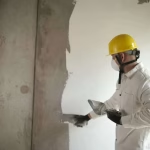
Remediation goes beyond filling a crack or repainting a discolored patch. A contractor performing stucco remediation opens up the wall system to inspect the layers behind the finish coat, including the water-resistive barrier, the sheathing, and in some cases the wood framing itself. Any wet, rotted, or moldy material is removed and replaced before the wall is closed back up and refinished.
This distinction matters most on homes with synthetic stucco, known as EIFS (Exterior Insulation and Finish System). Unlike traditional cement-based stucco, EIFS was originally designed without a proper drainage plane in many older installations, which means water that gets behind the surface has nowhere to go and can sit against the wood framing for months without anyone noticing.
| Warning Sign | What It Usually Means |
|---|---|
| Dark stains or discoloration | Water has been trapped behind the finish coat |
| Bulging or warped sections | The substrate behind the stucco has swollen or shifted |
| Soft or spongy spots when pressed | The wood sheathing underneath is likely rotting |
| Cracks near windows and doors | Failed flashing or sealant letting water in |
Common Signs a Home Needs Stucco Remediation
According to APS Masonry Contracting (2024), the earliest signs of stucco failure include visible cracks, tears in the finish coat, and discoloration that points to moisture damage working its way through the wall. Left alone, these small issues tend to escalate into bulging, warping, and eventually mold growth inside the home.
Central Indiana Stucco Repair (2024) notes that pressing gently on a suspect area of EIFS is one of the simplest field tests: a firm, solid surface is a good sign, while any softness or give underneath the hand usually points to substrate damage that a fresh coat of paint will not fix. Moisture meter readings above roughly 15 percent near windows, doors, and rooflines are another indicator professionals rely on before opening up a wall.

What Is Stucco Remediation Compared to a Standard Repair
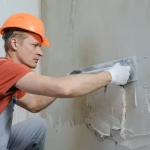
A standard stucco repair addresses what is visible: a crack gets filled, a chipped section gets patched, and the wall gets repainted to blend in. That approach works well when the damage truly is only cosmetic and the wall assembly behind it is dry and sound.
Remediation starts from the opposite assumption. The visible damage is treated as evidence of a problem somewhere in the wall system, and the work does not stop until that source is found. A homeowner in the Chicago area who is not sure which situation applies can start with a professional inspection through JM Painting & Stucco’s stucco repair team, who can determine whether a surface patch is enough or whether the wall needs to be opened up.
How the Remediation Process Works
The process typically starts with a visual inspection followed by moisture testing at multiple points on the wall. Once wet areas are identified, the stucco and any insulation board covering them are carefully removed to expose the sheathing and framing underneath.
Any rotted wood is cut out and replaced, and a proper water-resistive barrier and drainage plane are installed before new stucco or EIFS goes back over the repaired section. This is also the point where flashing around windows and doors typically gets corrected, since faulty flashing is one of the most common root causes behind moisture intrusion in the first place.
Catching stucco problems at the remediation stage, rather than after mold or structural rot has spread, almost always costs less than waiting. A home that shows any of the warning signs above is worth a professional look before another Chicago winter puts more stress on the wall system. The team at JM Painting & Stucco offers free, no-obligation inspections for homeowners across the North Shore and western suburbs who want a clear answer before committing to any repair.
Frequently Asked Questions
No. A repair typically fixes what is visible on the surface, while remediation investigates and fixes the moisture source behind the wall, which often means removing and replacing damaged material that a surface repair would leave untouched.
Dark staining, soft or spongy spots when pressed, bulging sections, and cracks near windows or rooflines are the most common visible clues, though a moisture meter reading from a professional is the most reliable way to confirm it.
Older EIFS installations without a proper drainage plane can trap water behind the surface more easily than traditional cement-based stucco, which is naturally more porous and allows some moisture to escape.
It depends on how far the moisture has traveled, but contractors typically open up enough of the wall to fully expose and test the sheathing and framing around the affected area, not just the spot where the damage is visible.
In most cases, yes. Remediation is usually targeted at the specific sections showing damage rather than the whole wall, unless an inspection finds that moisture has spread more widely than expected.