
Exterior Waterproofing & Moisture Protection
Keeping water out of the wall without sealing it shut. Residential and commercial across Chicago, the North Shore and the western suburbs. Licensed and insured.
A wall has to shed water and still dry out
The instinct when a wall leaks is to seal it. That is usually the thing that makes it worse. Some moisture always gets into a masonry or stucco wall, and if the outside face is sealed with an impermeable coating that moisture has nowhere to go — it sits in the system, and in an Illinois winter it freezes there. Proper moisture protection means fixing the paths water is taking in and using a coating that still lets the wall breathe outward.
What is included
- Survey of where water is actually entering, not just where it shows inside
- Cracks and open joints repaired before any coating is considered
- Failed sealant cut out and replaced at windows, doors and penetrations
- Attention to parapets, copings, sills and other horizontal surfaces
- Breathable water-repellent coatings appropriate to the substrate
- Advice on gutters, downspouts and grading where they are feeding the problem
- Residential elevations and full commercial buildings
How the work runs
1. Find the path
Water rarely enters where it appears. We trace it back to the joint, crack or detail that is letting it in, so the fix lands in the right place.
2. Repair first
Cracks closed, failed sealant replaced, damaged material rebuilt. No coating goes over a defect it cannot bridge, because that only hides it for a season.
3. Protect and breathe
A water-repellent system matched to the substrate that keeps liquid water out while still letting vapour escape, so the wall is not sealed shut.
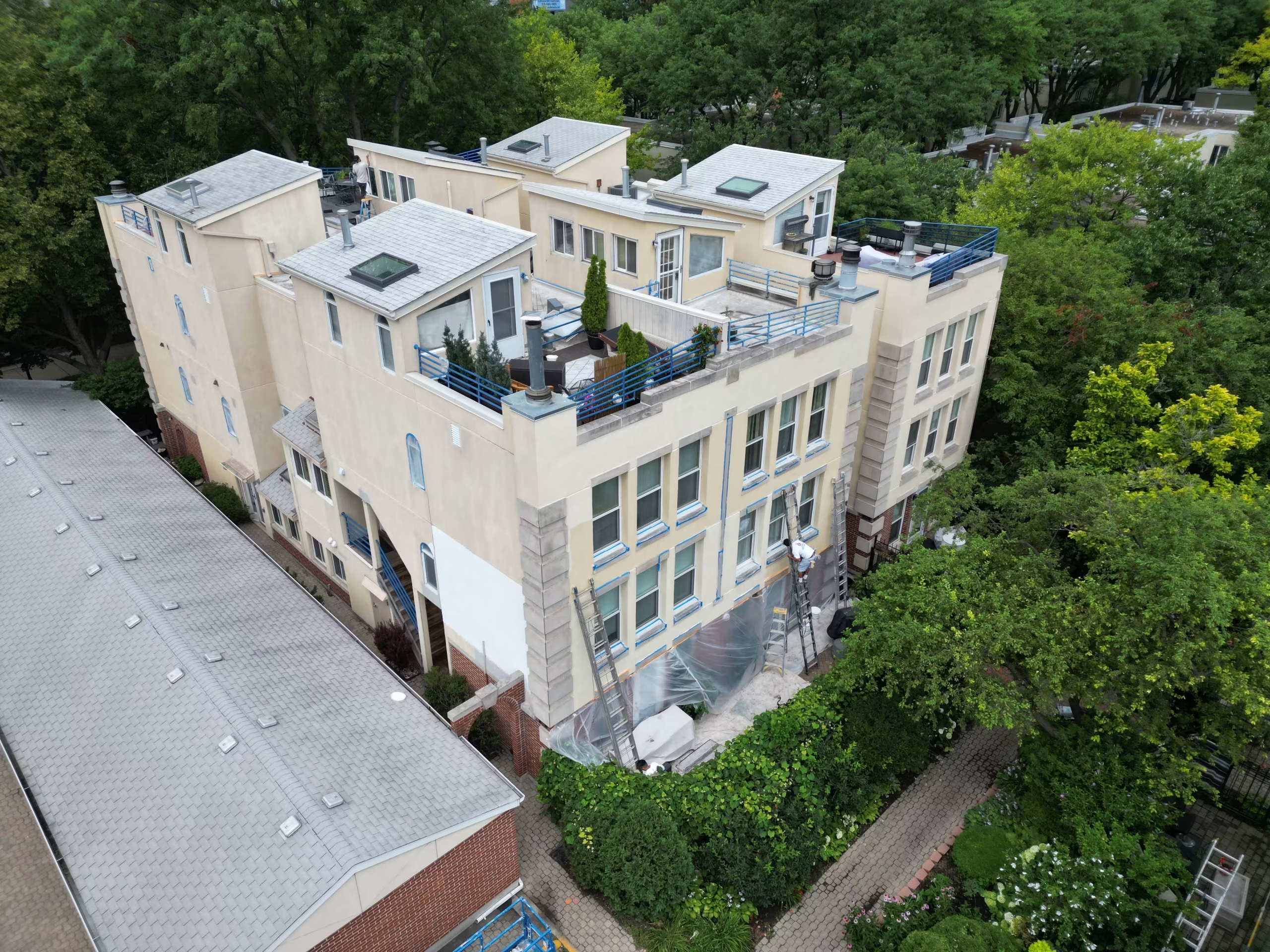
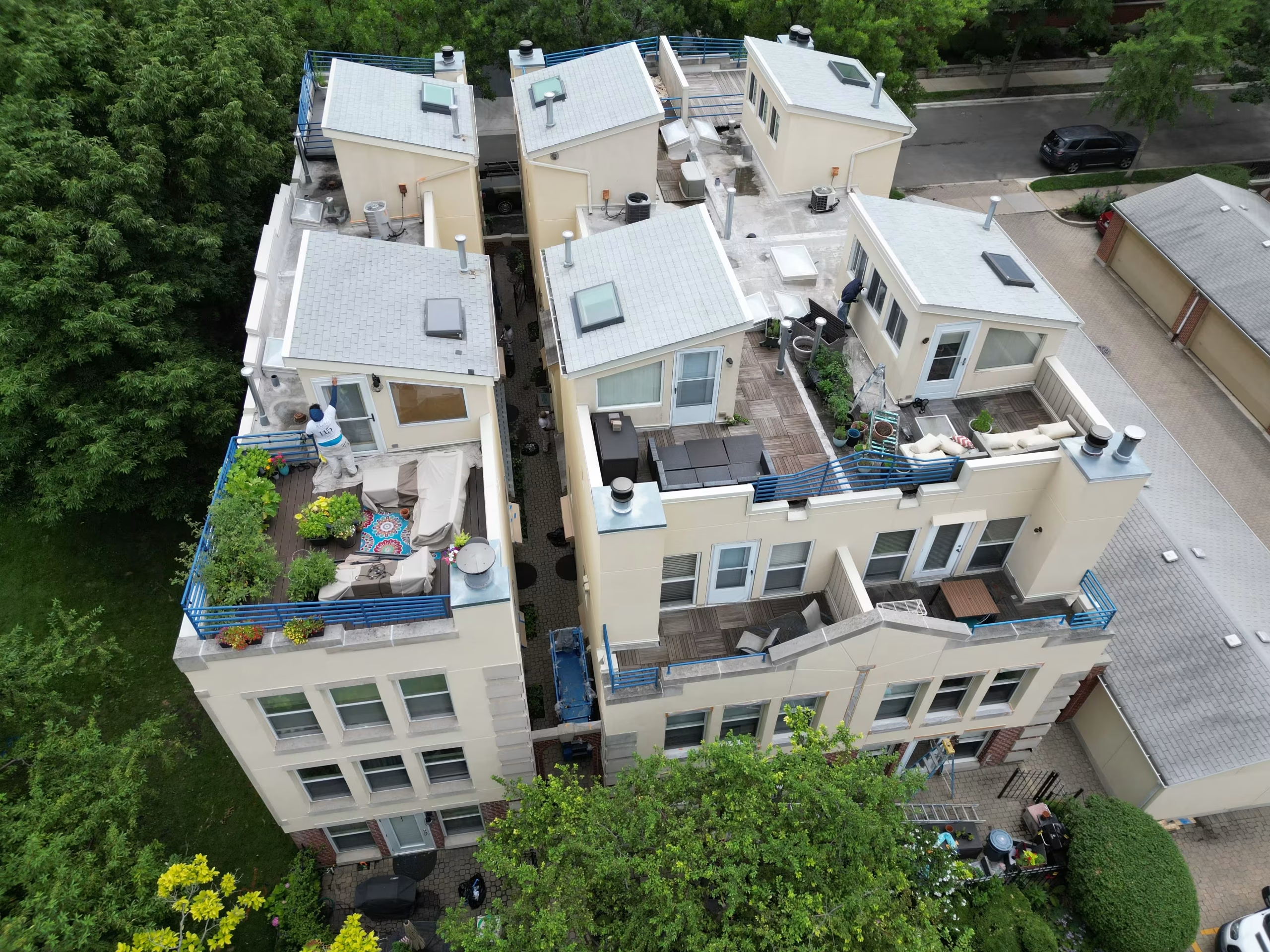
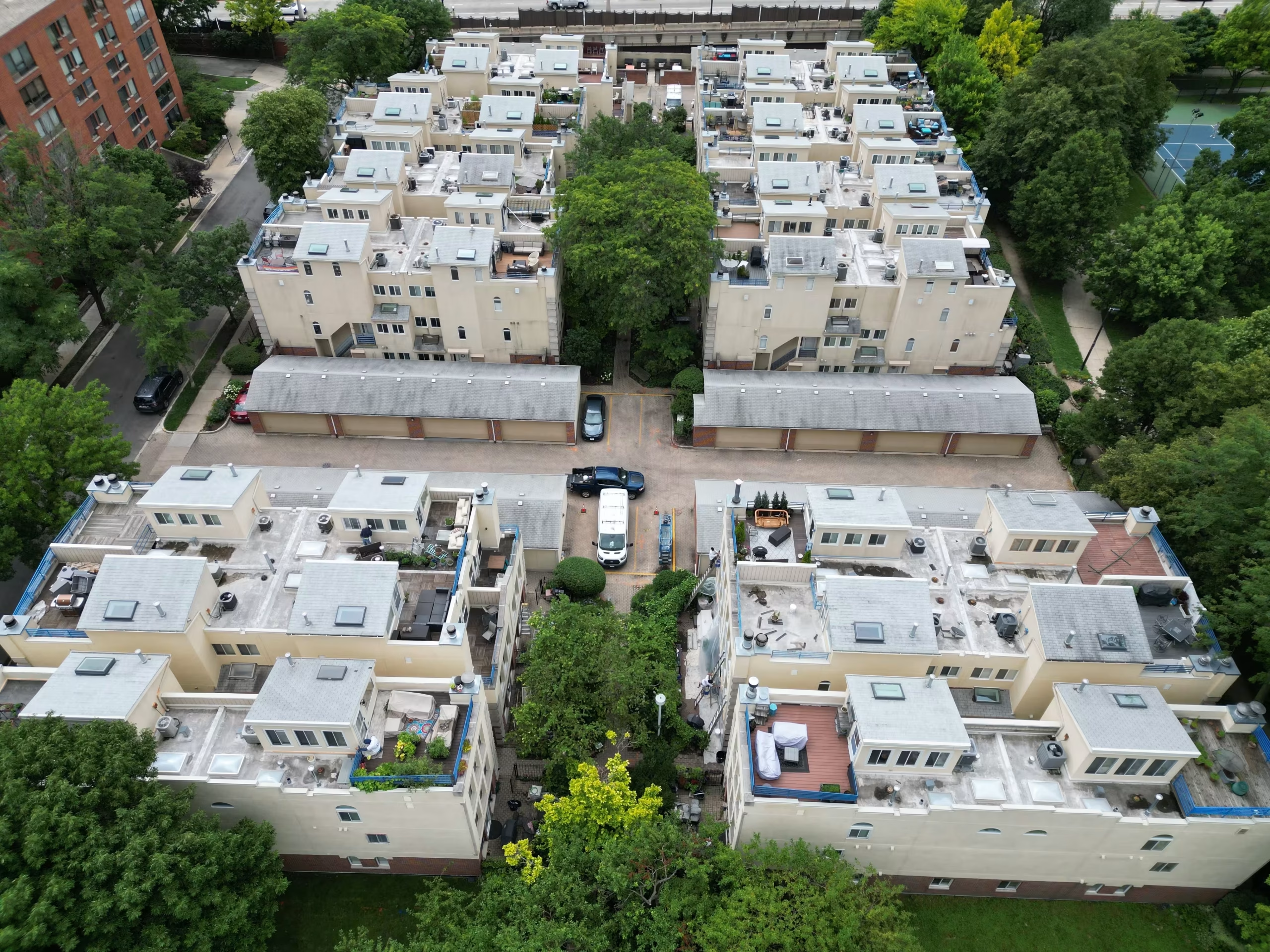
Recent waterproofing work
Waterproofing questions we get asked
Can you not just seal the whole wall?
You can, and it is one of the most common ways to make a damp wall worse. An impermeable coating traps the moisture that is already in the system. It then freezes, expands and pushes the finish off from behind. We use breathable systems for exactly this reason.
The damp shows up in one room. Is that where the leak is?
Usually not. Water travels along framing, sheathing and cavities before it appears inside, so the stain is often well below and to one side of the actual entry point. Finding the real path is most of the job.
How long does this kind of protection last?
It depends on the system, the exposure and how the building is maintained. What shortens it fastest is neglecting the boring things — blocked gutters, a downspout discharging against the wall, or grading that runs water back at the foundation. We will point those out whether or not they are part of our scope.
Do you do this on commercial buildings?
Yes. Recent work includes townhome and multi-family exterior restoration with waterproofing, phased so residents keep access. See Commercial Painting.
Does the wall need repairing before it is coated?
Almost always. A repellent coating is not a bridge over an open crack or a failed sealant joint. Repairs come first, which is why this work usually runs alongside crack and damaged-area repair.
Water getting in somewhere?
Send us photos of the outside wall and of where it is showing inside. We will tell you what we think is happening — no charge and no obligation.